
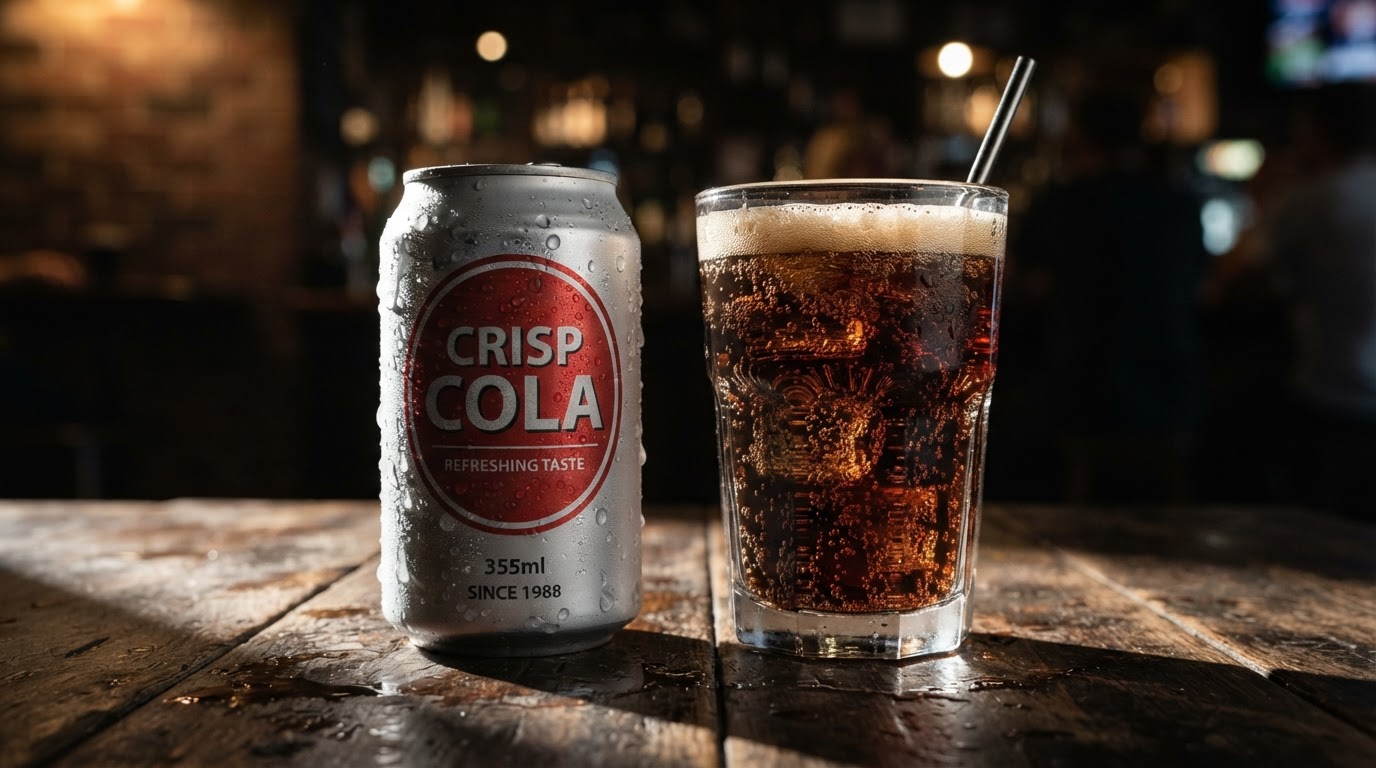
Nutrition for a Healthy Smile: Eating Your Way to Stronger Teeth
Brushing and flossing matter — but so does what's on your plate. The vitamins, minerals, and eating patterns that build stronger teeth and healthier gums.
Brushing and flossing matter — but so does what's on your plate. Your teeth are living structures, your gums are tissue that depends on real nutrition, and your mouth's defenses against bacteria run on the nutrients you take in. Most patients know that sugar causes cavities; far fewer know which foods actively strengthen teeth and gums. Here's the nutrition picture worth knowing.
The cavity equation nobody explains
Cavities aren't caused by sugar alone — they're caused by frequency and duration. Every time you eat or drink something with sugar or starch, the bacteria in plaque produce acid for about twenty minutes afterward. Snacking on sweets all afternoon is far more damaging than having the same amount with a meal, because your teeth spend the whole afternoon under acid attack instead of twenty minutes. This is why the sippy cup of juice nursed all day and the desk drawer candy habit do so much damage. If you're going to have a treat, have it with a meal, then rinse with water.
The minerals that rebuild enamel
Calcium is the structural mineral of teeth and bone — dairy, fortified plant milks, leafy greens, almonds, and canned fish with bones all supply it. Phosphorus, found in meat, eggs, and fish, works alongside it. Vitamin D is what lets your body actually absorb that calcium, and it comes from sunlight, fatty fish, and fortified foods. Cheese deserves special mention: it raises the pH in your mouth, stimulates saliva, and delivers calcium directly where it's needed, which is why ending a meal with cheese is genuinely tooth-friendly.
Crunchy produce is nature's toothbrush (a little)
Crisp fruits and vegetables — apples, carrots, celery, raw peppers — do modest mechanical cleaning as you chew, and chewing them stimulates saliva, your mouth's natural rinse. Leafy greens bring folate and other B vitamins that support gum tissue health. Citrus and other vitamin C sources matter too: severe vitamin C deficiency causes bleeding gums and loose teeth, and even low intake impairs gum healing. Just remember that citrus and juice are acidic — eat your fruit, and let whole fruit beat juice every time.
The foods that quietly fight for your teeth
Green and black tea contain polyphenols that suppress the bacteria behind cavities and gum disease. Dark chocolate in moderation is less cavity-promoting than its sweet reputation suggests, and cocoa actually contains compounds that fight bacteria. Sugar-free gum sweetened with xylitol actively inhibits the main cavity-causing bacterium. Water, especially fluoridated tap water, is the single best drink for your mouth. Fibrous foods generally beat soft, sticky ones — they clean as you chew and don't cling to teeth the way dried fruit, crackers, and sticky candy do.
The snack aisle's sneakiest offenders
The foods that surprise people are the starchy ones: crackers, chips, pretzels, and breads break down into sugars and pack into the grooves of molars and between teeth, feeding bacteria long after the snack is over. Raisins and dried fruit concentrate sugar into a sticky, tooth-clinging form — candy by another name, nutritionally speaking. Sports drinks and 'juice cocktails' deliver acid and sugar under a health halo. None of these need to disappear; they just shouldn't be all-day companions for your teeth.
Eating patterns for different life stages
Children building permanent teeth need calcium, vitamin D, and fluoride; adolescents need more of both minerals during growth spurts. Pregnant patients need folate, calcium, and vitamin C for their own gums and the baby's developing teeth. Older adults need sustained protein and calcium, since gum recession exposes roots, dry mouth becomes more common, and appetite often shrinks. In every stage, the combination of steady, balanced meals, water as the default drink, and honest twice-yearly checkups is what compounds into a lifetime of healthy smiles.
Food is one more lever you control in your family's dental health — and a powerful one. Questions about diet and your smile? Bring them to your next visit, or call (615) 581-5000. We're always happy to talk about what's on your plate.
Ready to see us?
We'd love to help you and your family keep your smiles healthy. Book your visit online or give us a call.
Keep reading
November 5, 2026
Are Electric Toothbrushes Worth It? An Honest Answer
Walk down the toothbrush aisle and the price tags go from three dollars to two hundred. Here's what the evidence actually says about electric brushes.

November 3, 2026
Sensitive Teeth: Why They Hurt and What Actually Fixes It
That sharp zing from cold water or ice cream has real causes — and most of them are treatable. When sensitivity is a warning sign, and when it's simple.