

Smile To Improve Your Day — And Your Health!
'It takes more muscles to frown than to smile,' the old cliché goes. Well, it turns out the cliché is false — but smiling still helps, in ways you might not expect.
'It takes more muscles to frown than to smile,' the old cliché goes, so you should smile more to conserve energy. Well, it turns out the cliché is false. Smiling takes at least ten muscles, while as few as six are required for a frown. A better expression would be 'smile to burn more calories,' but that isn't the only benefit you'll get from flashing those pearly whites more often.
The Feedback Loop Between Smiling And Happiness
When we smile, it sets off a chemical reaction in our bodies and brains. We release endorphins, the feel-good hormones. The amazing thing is that we can release these endorphins simply by the act of smiling, even if it's fake! Smiling and happiness are so closely tied together in our brains that it doesn't matter which one comes first. If you're having a rough day and want to feel better, smiling is a great, simple first step to take.
Smile Your Pain And Stress Away
That rush of endorphins has a lot of benefits, and two of the most immediate ones are reducing pain and relieving stress. Endorphins are natural painkillers with no side effects, and they help us recover more quickly from stressful situations. A 2012 experiment demonstrated this by testing how long it took for subjects' heart rates to return to normal after performing a stressful task. The smiling subjects were the fastest to recover!
Smile To Give Your Immune System A Boost
Over time, those short-term benefits from the endorphins released by smiling can compound into something much bigger. By smiling freely and often, we can make ourselves more resilient against all kinds of illnesses — even lowering our chances of getting cancer by reducing the number of stress-induced mutations our cells go through. Stress does real damage to the body, and anything that blunts it — even something as small as a smile — is worth taking seriously.
Smile To Live Longer!
When we think of the benefits of smiling, we usually don't think much farther than how it makes us look younger and more attractive to the people around us, but in the end, smiling can actually add years to our lives. Smile as often as you can so that you can take full advantage of what it can do for you, and make sure you're taking good care of your smile so that you feel more like sharing it.
When people hide their smiles
Here's the side of this we see in the chair: patients who cover their mouths when they laugh, who smile with their lips closed in every photo, who hold back a laugh because they don't want anyone to see their teeth. Over years, that habit of hiding can genuinely affect confidence, social life, and even job interviews. One of the most rewarding parts of dentistry is watching someone who spent decades hiding their smile finally let it show — and it doesn't always take dramatic treatment to get there.
Let's See Those Gorgeous Smiles!
Did you know that children smile an average of twenty times as often as adults over the course of a day? Just imagine the health benefits we could enjoy as adults if we smiled as often as we did when we were little. We encourage all of our patients to find every reason you can to smile, and come see us twice a year so that we can help you keep your smile as healthy as it can be!
Our patients are our biggest reason to smile! If you've been hiding yours, give us a call at (615) 581-5000 — let's find out what it would take to set it free.
Ready to see us?
We'd love to help you and your family keep your smiles healthy. Book your visit online or give us a call.
Keep reading
November 5, 2026
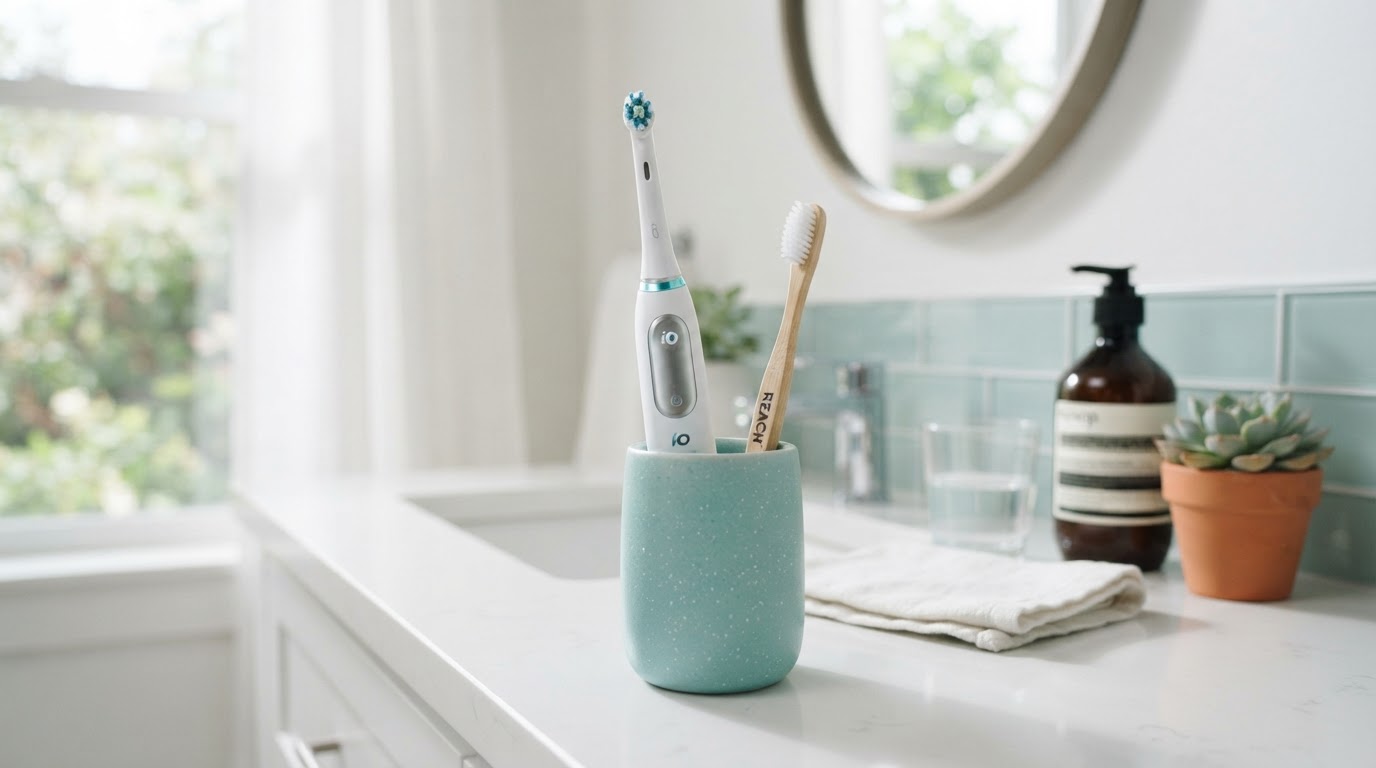
Are Electric Toothbrushes Worth It? An Honest Answer
Walk down the toothbrush aisle and the price tags go from three dollars to two hundred. Here's what the evidence actually says about electric brushes.

November 3, 2026
Sensitive Teeth: Why They Hurt and What Actually Fixes It
That sharp zing from cold water or ice cream has real causes — and most of them are treatable. When sensitivity is a warning sign, and when it's simple.