

Teeth Whitening: What Actually Works (and What Doesn't)
A brighter smile is one of the most common things patients ask about. Here's a straightforward guide to what actually works — and what's safe for your teeth.
A brighter smile is one of the most common things patients ask us about — and it's easy to see why. Whitening is one of the simplest, most affordable ways to refresh your whole appearance. But with so many options on the market, from drugstore strips to online gimmicks, it can be hard to know what actually works and what's safe for your teeth. Here's a straightforward guide to help you decide.
Why teeth stain in the first place
Teeth aren't naturally pure white; they range from slightly yellow to gray, and they darken with age. The most common culprits for staining are coffee, tea, red wine, dark sodas, berries, and tobacco. Some stains sit on the surface (extrinsic) and respond well to cleaning and whitening. Others live deeper inside the tooth (intrinsic) and may need a different approach. A quick exam helps us figure out which kind you're dealing with before you spend a dime.
Professional vs. over-the-counter
Drugstore whitening products do work — a little. The active ingredient is the same (usually hydrogen peroxide or carbamide peroxide), but the concentration is much lower than what we can provide, and the trays aren't custom-fit to your mouth. That means uneven results, more sensitivity, and whitening gel that can irritate your gums. Professional whitening uses higher-strength gels delivered in custom trays or an in-office session, giving you faster, more even, and more predictable results with less gum irritation.
In-office vs. take-home trays
We offer both. In-office whitening uses a concentrated gel applied while you relax in the chair, often with a special light to accelerate the process — you can leave with a noticeably brighter smile in a single visit. Take-home custom trays let you whiten on your own schedule, gradually, over a week or two. Many patients love the convenience of trays; others want the instant result of an in-office session. We'll help you choose based on your goals, your schedule, and how sensitive your teeth tend to be.
Will it hurt?
Some sensitivity is normal, especially to cold, but it's temporary and usually mild. We can recommend desensitizing toothpaste and adjust your treatment to minimize discomfort. If you've had sensitivity issues before, tell us — there are gentler options. Whitening doesn't damage your enamel when done correctly under supervision, which is another reason to do it with a dentist rather than with a random kit ordered online.
Who shouldn't whiten (yet)
Whitening isn't right for everyone right now. If you have untreated cavities, receding gums, or gum disease, we'll want to address those first. Whitening doesn't change the color of crowns, veneers, or fillings, so if you have visible dental work in your smile line, we'll plan around it so your whole smile stays even. Pregnant patients and young children are generally advised to wait.
Making it last
Your bright results can last months or even longer with good habits. Brush twice a day, floss daily, rinse with water after staining drinks, and keep up with your regular cleanings. Touch-up trays once or twice a year keep things fresh. Think of whitening like a haircut — it looks great, and a little maintenance keeps it that way.
Curious whether whitening is right for you? We're happy to take a look and give you an honest recommendation — no pressure. Call (615) 581-5000 or book online and let's talk about your smile goals.
Ready to see us?
We'd love to help you and your family keep your smiles healthy. Book your visit online or give us a call.
Keep reading
November 5, 2026
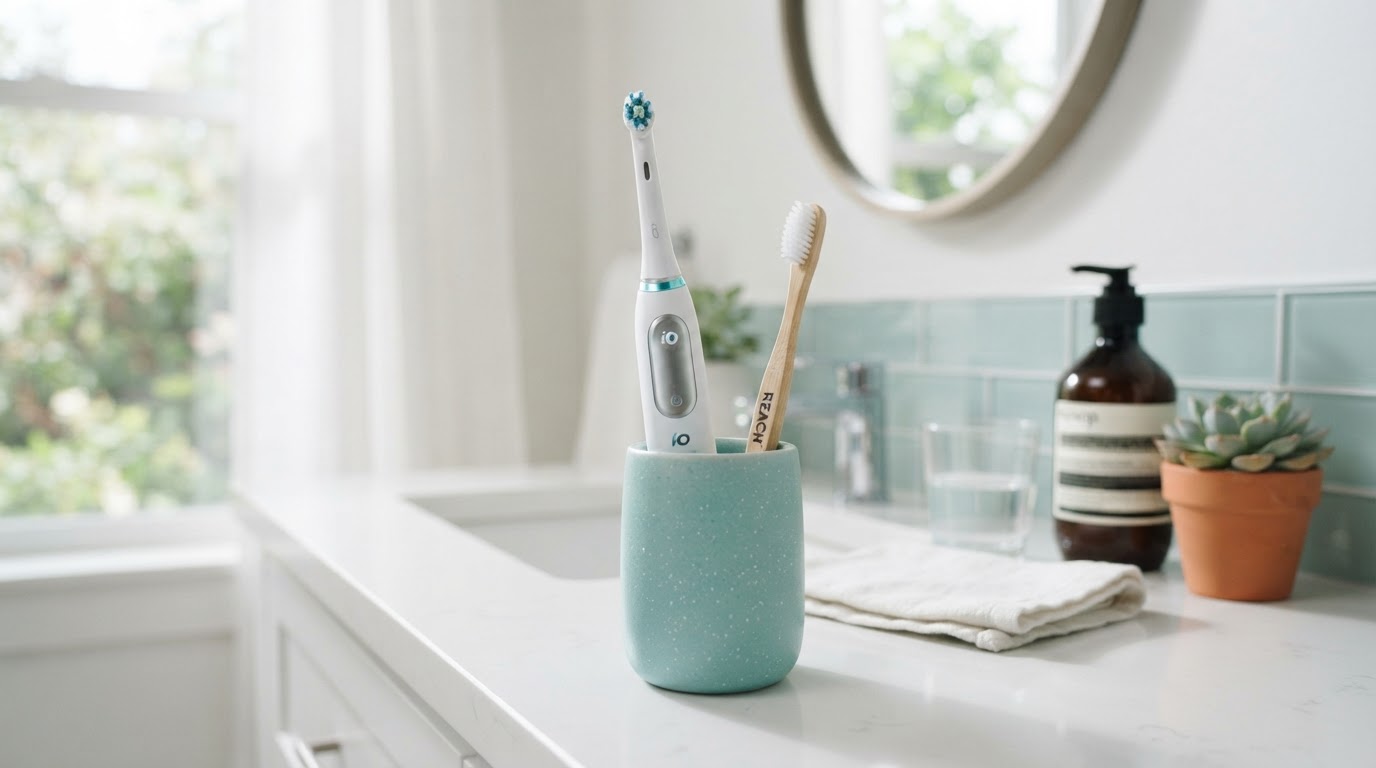
Are Electric Toothbrushes Worth It? An Honest Answer
Walk down the toothbrush aisle and the price tags go from three dollars to two hundred. Here's what the evidence actually says about electric brushes.

November 3, 2026
Sensitive Teeth: Why They Hurt and What Actually Fixes It
That sharp zing from cold water or ice cream has real causes — and most of them are treatable. When sensitivity is a warning sign, and when it's simple.