
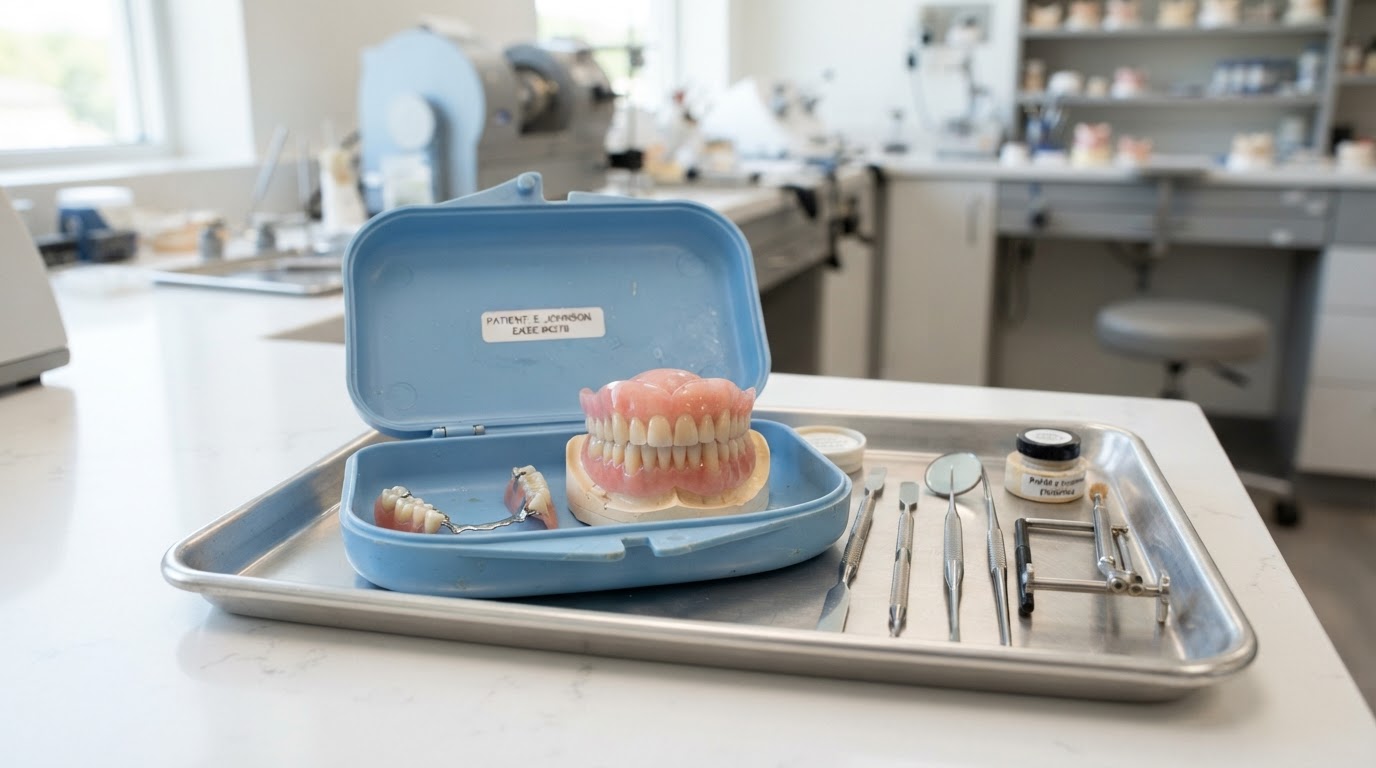
Brushing and flossing are the foundation of a healthy smile — yet most of us were never really taught how to do them well. A few small adjustments make a big difference.
Brushing and flossing are the foundation of a healthy smile — and yet most of us were never really taught how to do them well. We learn young, pick up habits, and rarely revisit them. The good news: a few small adjustments to your daily routine can make a big difference in how your teeth and gums feel and look for the rest of your life.
Brushing: technique matters more than force
Brush twice a day for two minutes — that's the headline. But how you brush matters just as much. Use a soft-bristled brush (hard bristles can wear down enamel and recede your gums) and hold it at a 45-degree angle to your gums, sweeping gently in short, tooth-wide strokes. Don't scrub like you're cleaning a pan; plaque is soft and sticky, not hard, so gentle pressure is plenty. Brush the outer, inner, and chewing surfaces of every tooth, and don't forget your tongue — it harbors bacteria and contributes to bad breath.
Electric or manual?
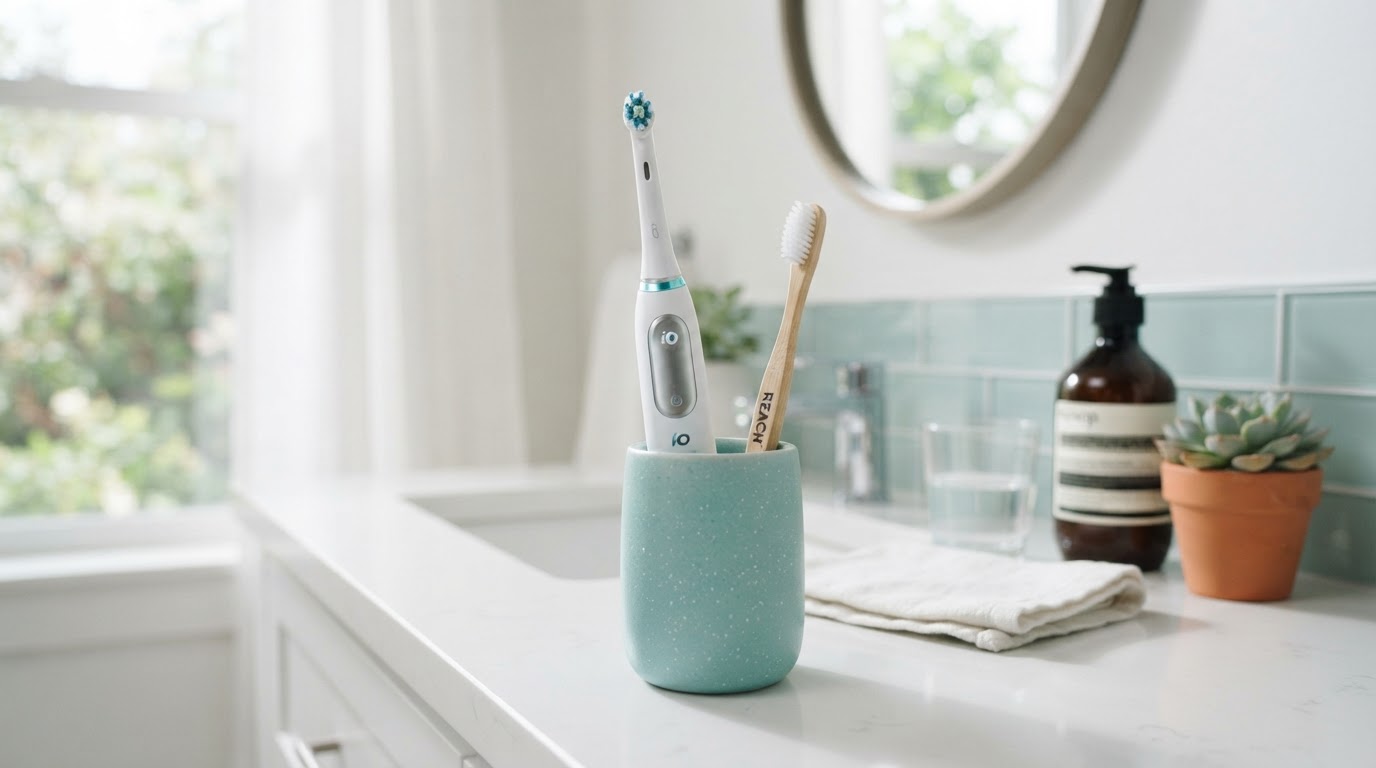
Both can do a great job. Electric toothbrushes, especially those with a small rotating or oscillating head, take some of the technique out of the equation and are great for people who struggle with manual dexterity or who simply don't brush long enough. Many have built-in two-minute timers and pressure sensors that tell you if you're pressing too hard. That said, a manual brush used correctly is perfectly effective. The best brush is the one you'll actually use for the full two minutes, twice a day.
Flossing: the step everyone skips
If brushing is the headline, flossing is the fine print that saves your smile. Your toothbrush can't reach the tight spaces between your teeth or under the gumline, and that's exactly where gum disease and cavities between teeth begin. Floss once a day — the time of day matters less than the habit. Gently slide the floss between your teeth, curve it into a 'C' shape around each tooth, and move it up and down. If traditional floss is fiddly, try floss picks, interdental brushes, or a water flosser — anything that cleans between your teeth is better than nothing.
Toothpaste and fluoride
Use a fluoride toothpaste with the ADA seal. Fluoride strengthens enamel and reverses early decay — it's one of the most thoroughly studied, safe, and effective tools in dentistry. If you have sensitivity, there are desensitizing options; if you're prone to tartar, there are tartar-control formulas. But the basics — fluoride and a soft brush — matter most. Spit, don't rinse, so the fluoride stays on your teeth a little longer.
A few habits to avoid
Brushing too soon after acidic food or drinks (like soda, wine, or citrus) can actually wear your enamel while it's softened — wait about 30 minutes. Using your teeth as tools to open packages or crack nuts chips and cracks teeth. And sharing a toothbrush spreads germs — everyone in the family should have their own. Replace your brush or brush head every three to four months, or sooner if the bristles fray.
It's never too late to improve
If your home care hasn't been perfect, you're in good company — and it's never too late to start. Healthy habits compound over time, and even a few weeks of better brushing and flossing can noticeably improve how your gums feel and look. Pair your routine with regular checkups, and you've got the recipe for a smile that lasts a lifetime.
Have questions about your technique, your tools, or anything you've noticed in your mouth? That's exactly what we're here for. Bring it up at your next visit, or call us at (615) 581-5000 — we love helping patients build habits that keep their smiles healthy.
Ready to see us?
We'd love to help you and your family keep your smiles healthy. Book your visit online or give us a call.
Keep reading
November 5, 2026
Are Electric Toothbrushes Worth It? An Honest Answer
Walk down the toothbrush aisle and the price tags go from three dollars to two hundred. Here's what the evidence actually says about electric brushes.

November 3, 2026
Sensitive Teeth: Why They Hurt and What Actually Fixes It
That sharp zing from cold water or ice cream has real causes — and most of them are treatable. When sensitivity is a warning sign, and when it's simple.